Describe How a Fossil Would Form Through Mineral Replacement
Over time these minerals turn into a stone replica of an organism. Over time these minerals turn into a stone replica of an organism.

Unit 3a Human Diversity Change Ppt Video Online Download
There are many different methods in which organisms turn into fossils.

. Fossils are formed when dead remains of living things come under heat and pressure over a long period of time. When another mineral replaces original bone or shell material we call this process replacement. It is one of the most detailed forms of permineralization.
Fossils form through the process of mineral replacement beginning when an organism dies and is buried. Have the students describe the processes they observed in their own words perhaps in a science journal. As the water evaporates the minerals remain eventually filling in the spaces left as the organism slowly decays.
The fossil makes use of these substrate components in order to leave their mark on them. Surrounding sediments turn to rock but the fossil stays distinct. In the process of replacement molecules of original material are replaced one at a time.
If that mold gets. Groundwater seeps around the organism and the minerals in the water gradually replace the. Many marine invertebrates like shells form fossils in this way.
Groundwater seeps into the sediment. Permineralization is a fossilizing process in which hard substances of animals such as bone teeth or shell are buried in sediment. Petrified fossils form when minerals replace the structure of an organism.
Groundwater seeps around the organism and the minerals in the water gradually replace the minerals in the hard parts of the organism. Fossils form through the process of mineral replacement beginning when an organism dies and is buried. If the organisms remains are decomposed entirely leaving an empty space in the shape of the organism it is referred to as a cast.
As they rot the organic parts are replaced by a hard mineral called silica. Fossils form through the process of mineral replacement beginning when an organism dies and is buried. Groundwater seeps around the organism and the minerals in the water gradually replace the.
Occurs when the mineral silica replaces the cell tissue of the fossil. Fossils form through the process of mineral replacement beginning when an organism dies and is buried. Mold cast trace true form.
In pyritization sulfur reducing bacteria facilitate the precipitation of pyrite during decay. These living things are trapped die and are covered by mineral-rich water. Fossils also form from molds and casts.
Describe two ways that fossils can form. Mold fossils are primarily formed through a process called leaching In this process the shell. Describe how a fossil would form through mineral replacement.
Two common types of replacement are calcification replacement by calcite and silicification replacement by silica. If minerals fill in this empty space and form a mineralised 3D shape of the organism it is referred to as a mould. Over time these minerals turn into a stone replica of an organism.
Fossils form through the process of mineral replacement beginning when an organism dies and is buried. Eventually they get replaced by minerals as they decay and form a rock like substance shaped like the original hard part. Petrified fossils form when minerals replace the structure of an organism.
Explain that the processes that the students observed are two ways that fossils are formed. Petrification is when an entire tissue bone or plant is replaced by minerals and the fossil is turned. A thin film of carbon residue is left forming a silhouette of the original organism called a carbon film.
If an organism completely dissolves in sedimentary rock it can leave an impression of its exterior in the rock called an external mold. As the water evaporates the minerals remain eventually filling in the spaces left as the organism slowly decays. Minerals in the groundwater replace minerals in the hard animal parts or.
Hi to all I search infos of fossils replaced by minerals of silvergalenaand emerald Albite or other rare replacements. Formation of a cast or mold. There are 4 main types of fossils.
Groundwater seeps around the organism and the minerals in the water gradually replace the minerals in the hard parts of the organism. A mold fossil is kind of like an impression that is made in the substrate. This process called permineralization occurs when groundwater solutions saturate the remains of buried plants or animals.
Groundwater seeps around the organism and the minerals in the water gradually replace the minerals in the hard parts of the organism. Unaltered preservation Permineralizationcarbonisation and replacement. Teeth shells bones dont decay easily so can last a long time when buried.
They are quite similar to the negative impressions left by an animal or a plant. Some of them include. Mineral Replacement in Fossil Formation.
Over time these minerals turn into a stone replica of an organism. Organic residue on compression fossils can be replaced by minerals leaving an impression coated with a mineral. The minerals fill in the spaces and create a replacement or replica fossil of the living thing.
Fossils form through the process of mineral replacement beginning when an organism dies and is buried. These fossils are replicas of things that were once alive such as trees or sea creatures. Describe the process of gradual replacement by minerals.
Describe how a fossil would form through mineral replacement. Fossils form through the process of mineral replacement beginning when an organism dies and is buried. This process called permineralization occurs when groundwater solutions saturate the remains of buried plants or animals.
Most fossils in rocks are changed from the original material in some way. Replacement with minerals petrification 2. I know the little gastropod from Cretaceus find in the 1998in the veins of the emeralds from Colombiaa rare case of replacement in emeraldI saw these little of 2cm comple.
Briefly discuss other ways that fossils are formed for the sake of comparison insects. Groundwater seeps around the organism and the minerals in the water gradually replace the minerals in the. Pyrite is a common replacement mineral.
Groundwater seeps around the organism and the minerals in the water gradually replace the minerals in the hard parts of the organism.
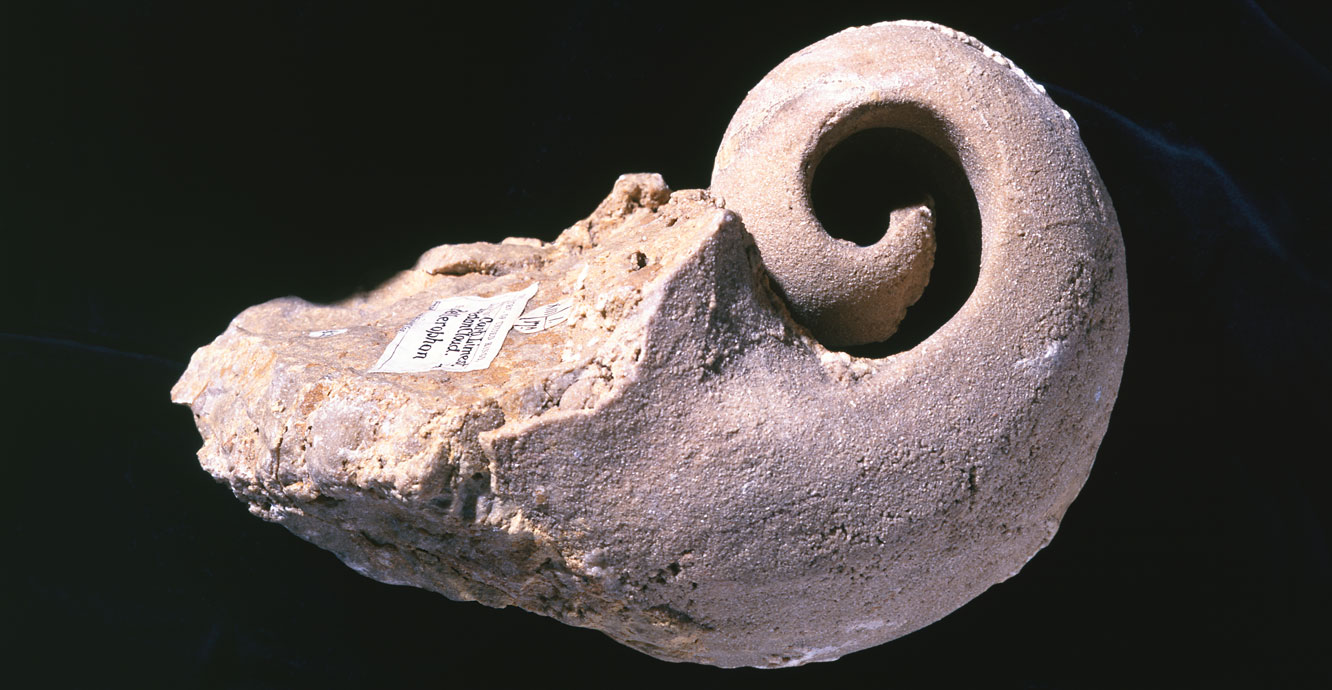
Fossils British Geological Survey
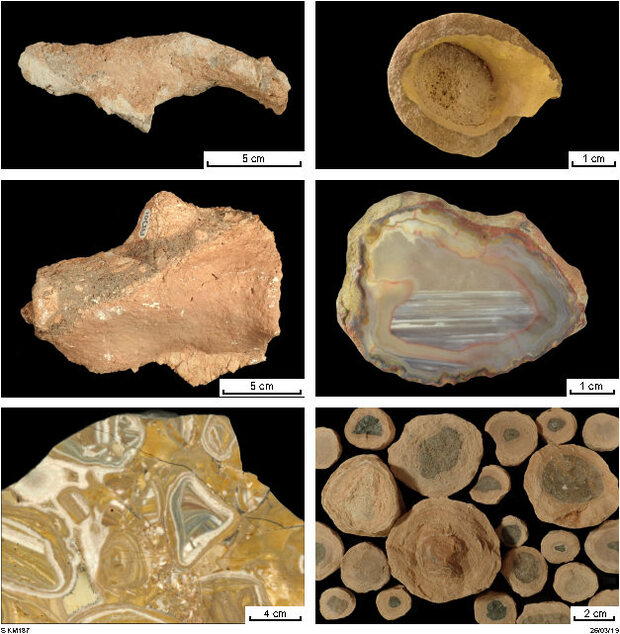
Pseudofossils

Fossils Ii Types Of Fossilization Read Earth Science Ck 12 Foundation
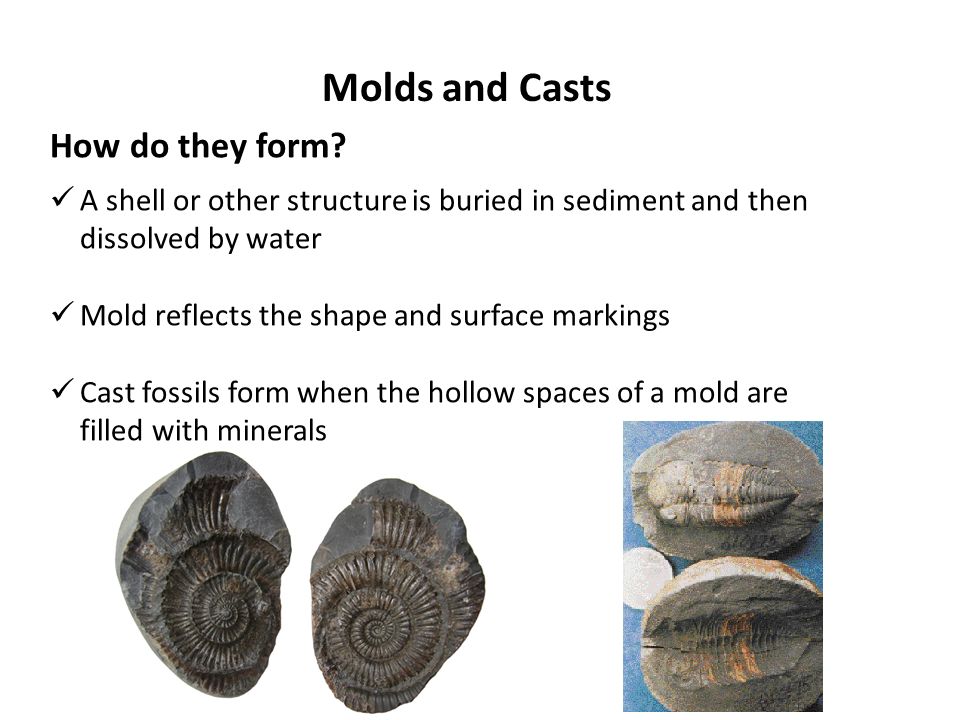
Petrified Fossils Molds And Casts Carbon Films Preserved Remains Trace Fossils Ppt Download

The Fossilized Crab Claw And How It Formed Rock Seeker Fossils Minerals And Gemstones Rocks And Minerals

New Feathered Dino May Be World S First Bird Dinosaur Fossils Fossils Fossil
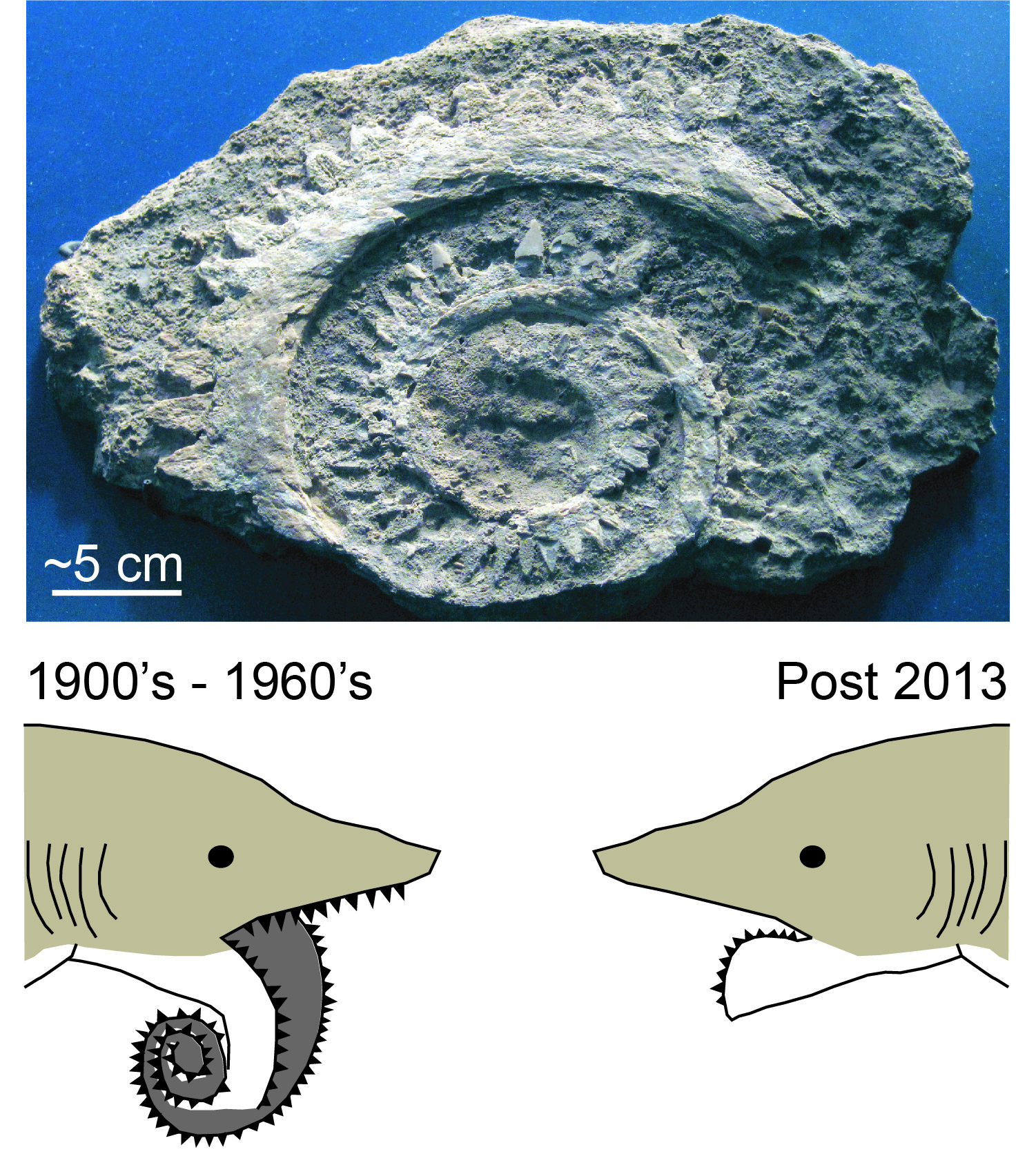
Chapter 6 Fossil Preservation The Story Of Earth An Observational Guide

Fossil Formation

Types Of Fossils Trace Fossils Markings Left By Animals Footprints Trail Burrow Casts Minerals Fill A Space Left By A Decaying Organism Petrified Ppt Download

Petrified Wood Agatized Fossilized Mineral Xl Raw Specimen Petrified Wood Rocks And Minerals Purple Agate
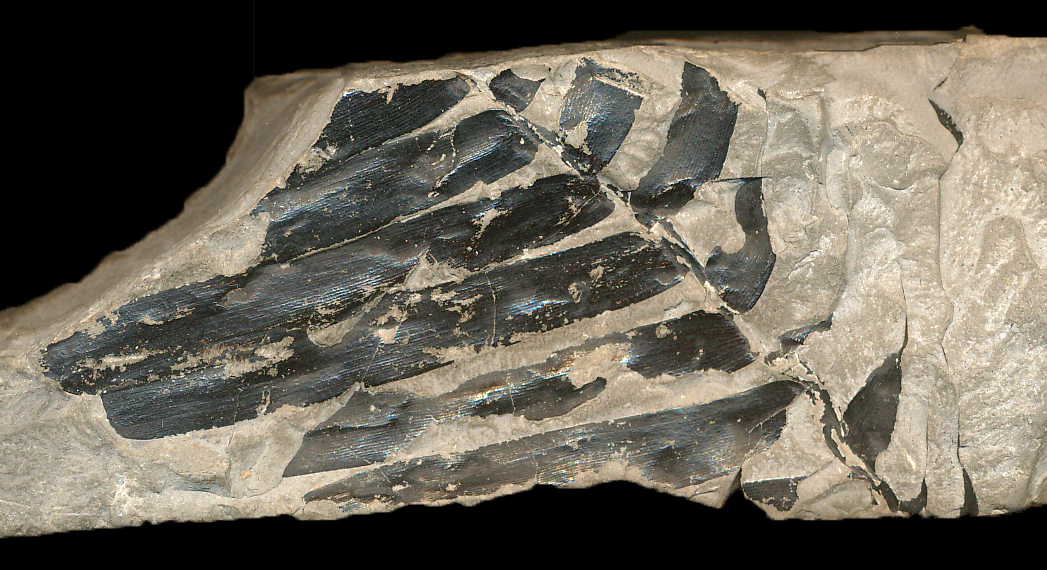
3 Types Of Fossil Preservation Digital Atlas Of Ancient Life

Fossil Formation

Sedimentary Rocks Of Indiana 2009 Sedimentary Rocks Sedimentary Rock Identification

Fossils Ck 12 Foundation

Fossils Ppt Download

Fossils Ii Types Of Fossilization Read Earth Science Ck 12 Foundation
Minerals In 2021 Unique Items Products Food

Six Main Types Of Fossils Petrified Fossils Molds Casts Carbon Films Trace Fossils Preserved Remains Fosseis

How Fossils Are Made


Comments
Post a Comment